01
What stock perfume bottles mean in a custom project
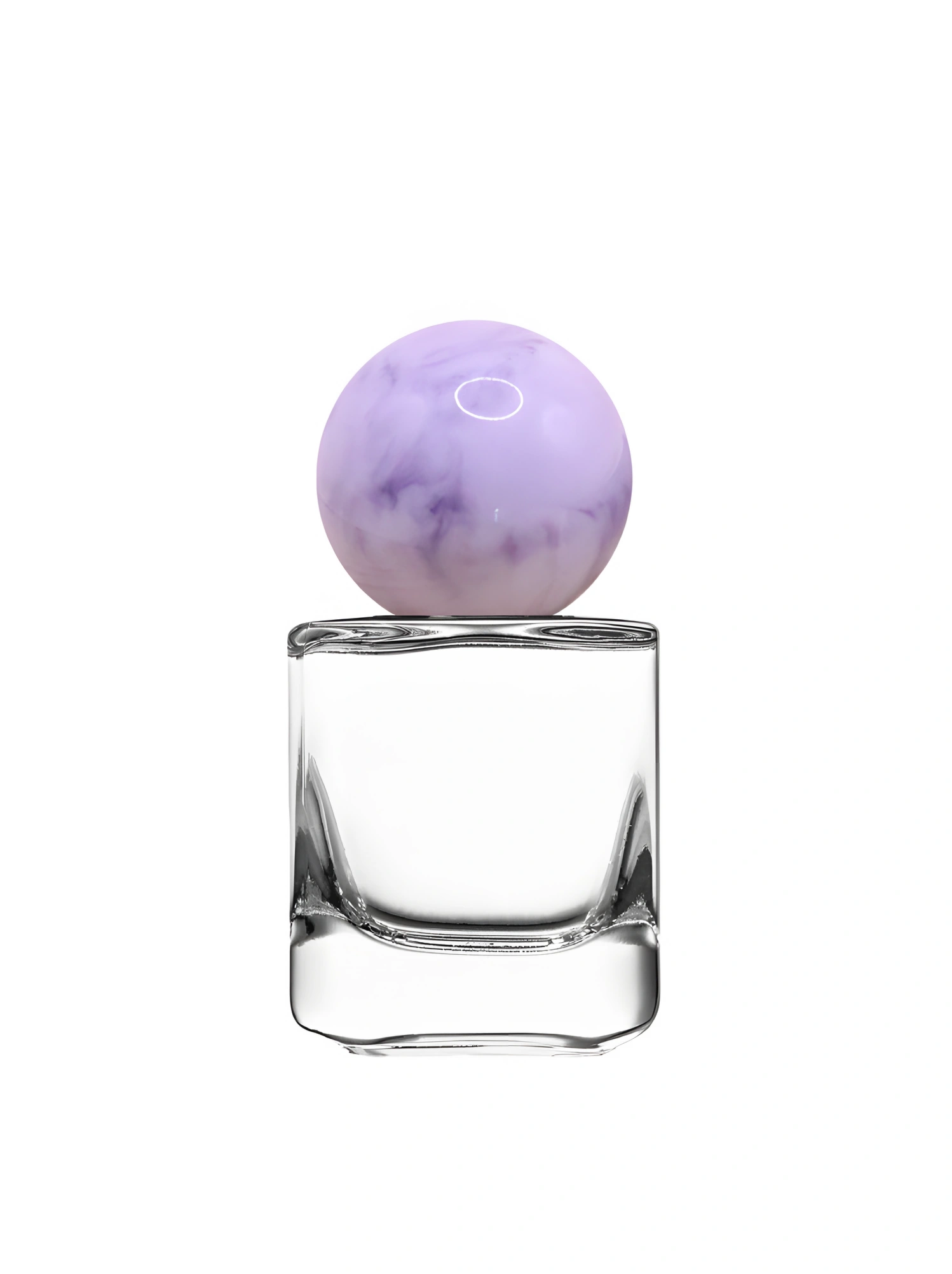
A stock perfume bottle is usually an existing bottle shape supported by an established production mold. The exact bottle may be available for a current production schedule, or the mold may be available for a new production order after review. The term does not guarantee that finished undecorated bottles are continuously stored, that every capacity is ready to ship, or that the same item will remain available indefinitely.
YAMEI does not operate an online stock-bottle store and does not publish fixed SKU numbers, prices, or inventory levels. Buyers submit a shape direction, capacity, expected quantity, material, and reference images. YAMEI then reviews existing production options that are visually and technically close, including the neck specification, pump and cap compatibility, decoration area, and packaging requirements.
02
Why an existing mold can reduce development work
Using an existing mold removes the need to develop the primary bottle tooling from the beginning. This can make the route more proportionate for a market test, a startup fragrance launch, a limited initial collection, or a brand that wants to invest in decoration and packaging before committing to a unique bottle silhouette. It also provides a physical form that can be sampled and measured earlier.
Reduced development does not mean no technical work. The selected bottle must still be checked for current availability, material, capacity tolerance, neck, compatible spray components, cap fit, decoration area, and production quantity. Color and artwork samples may be needed, and the box must be designed around the complete assembled empty bottle. The route is practical because the bottle mold exists, not because every other decision has already been solved.
03
Customization available on an existing bottle
An existing bottle can support a strong brand presentation through a controlled set of changes. Depending on material and geometry, directions can include frosting, transparent color coating, gradient coating, screen printing, hot stamping, labels, and coordinated pump or collar finishes. A cap can change the upper silhouette, while a custom box and insert can establish the final retail presentation.
Not every bottle can use every process. Curved or faceted print areas may limit artwork. Coating behavior depends on the surface and material. A different cap must match the pump arrangement and bottle proportions. Metallic finishes should be sampled with the bottle color and packaging. YAMEI reviews the requested combination rather than assuming that a process shown elsewhere can be transferred unchanged to another bottle.
- Bottle color, frosting, or reviewed coating direction
- Screen printing, hot stamping, or label application
- Compatible spray pump, collar, and cap selection
- Custom box, insert, paper, printing, and finishing
- Coordinated samples before confirmed production
04
Existing bottle does not mean one universal low MOQ
Catalogue combinations start from 300 pieces; logo printing or color coating starts from 500. Handmade bottles start from 500 pieces and 30ml. New custom caps or pumps require 5,000 pieces plus mold fees. The bottle production schedule, coating batch, printing setup, pump, collar, cap, label, box structure, insert, and finishing may each have a practical minimum. Combining several processes can increase the workable quantity even when the underlying bottle is standard.
The phrase low MOQ should therefore be treated as relative, not guaranteed. An undecorated existing bottle and a coated bottle with two-color printing, a special cap, and a rigid box do not share one minimum. YAMEI reviews the expected quantity against the complete project and identifies which component or process controls the set. No fixed quantity is published before that review.
05
How YAMEI reviews a reference image
A reference image can communicate silhouette, shoulder, base, proportion, transparency, cap direction, and overall visual position. It does not identify a guaranteed exact bottle, confirm dimensions, prove a mold exists, or authorize copying another brand. YAMEI uses the reference to define the closest important characteristics and then checks whether an existing option can meet them within the expected quantity and customization plan.
Provide more than one view when possible and state the target capacity. Identify which features matter most: a broad square body, a narrow cylindrical profile, heavy glass appearance, a particular shoulder, or a decorative cap. If exact reproduction is required and the customer owns or is authorized to use the design, the project should move to the existing-design review for dimensional and tooling assessment.
06
Coordinate components and packaging before approval
Bottle selection cannot be separated from the spray and closure system. The neck must match the pump. The pump and collar affect the cap. Dip tube length depends on internal height. Cap height and diameter affect the box. If these parts come from different production sources, specifications and physical samples should be checked together before a production order is confirmed.
Packaging begins with the final assembled empty bottle, including its cap and decoration. Accurate height, width, depth or diameter, weight, and contact points are needed for a fitted insert. A stock bottle can make this process easier because a physical sample may be available earlier, but the box still requires its own structure, material, artwork, finishing, sampling, and MOQ review.
07
What to submit for an existing-bottle search
Prepare the desired capacity, estimated quantity, material preference, shape references, target color, logo artwork, decoration priorities, cap direction, packaging requirements, market, and timing. It is useful to state a range of acceptable proportions and to distinguish essential features from preferences. This allows the review to compare real options rather than reject a practical bottle because of a minor difference that does not affect the brand.
The YAMEI perfume bottle configurator records these directions without pretending to show a live inventory catalog. Select the closest shape, material, finish, coating, and decoration, then attach references in the project details. The resulting summary gives YAMEI enough context to review an existing solution and explain where availability, samples, MOQ, or tooling need further confirmation.
08
When to consider a custom mold instead
A custom mold becomes relevant when the bottle silhouette itself is a central brand asset and suitable existing options cannot achieve the required form. Catalogue combinations start from 300 pieces; logo printing or color coating starts from 500. Handmade bottles start from 500 pieces and 30ml. New custom caps or pumps require 5,000 pieces plus mold fees.
The decision should follow an existing-option review rather than precede it automatically. An existing bottle with a custom cap, controlled coating, logo decoration, and strong packaging may achieve the intended recognition. If it cannot, drawings, 3D files, samples, or sketches can be submitted for custom production assessment. Final feasibility and commercial terms are confirmed only after the design is reviewed.
Project Questions
Frequently Asked Questions
Does stock perfume bottle mean finished bottles are always in a warehouse?
Not necessarily. On this page, stock bottle means an existing bottle shape, supplier mold, or currently reviewable production option. Actual availability and production scheduling must be confirmed for each project.
Can every existing bottle use every coating, logo, and cap option?
No. Material, surface area, bottle geometry, neck specification, process setup, and compatible components limit the available combinations. Samples and technical review confirm the workable direction.
Do existing bottle shapes guarantee a low MOQ?
No fixed MOQ is guaranteed. Existing tooling usually reduces development compared with a new mold, but coating, printing, caps, packaging, and supplier production conditions can still increase the practical quantity.